
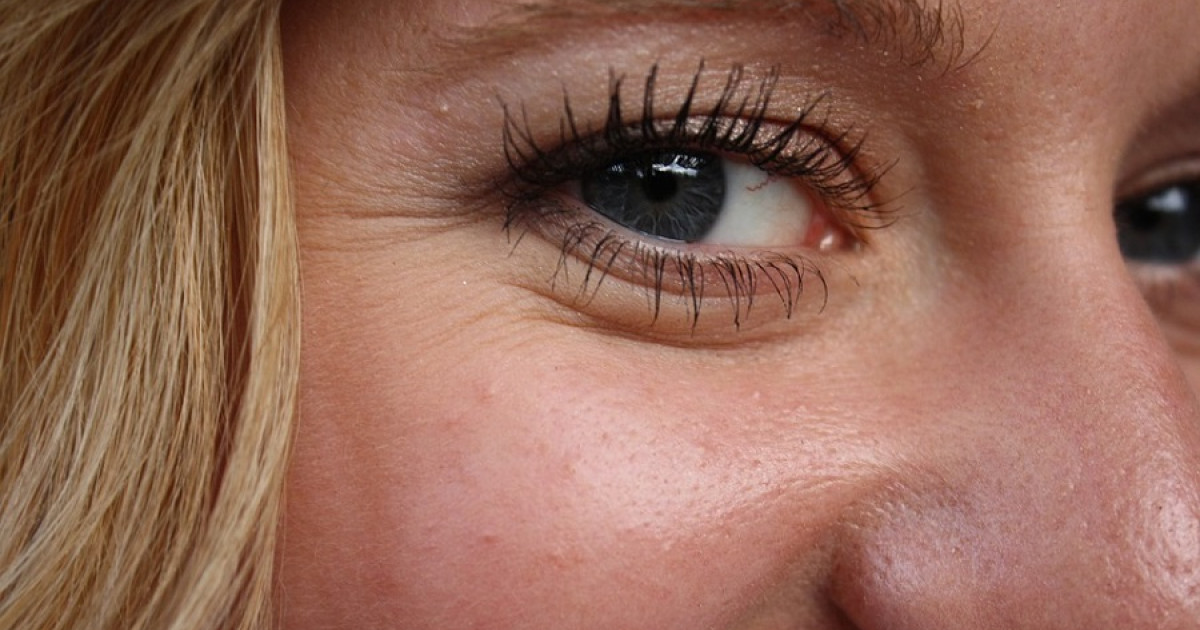
How to Reduce Crow’s Feet? 8 Effective Methods

Crow’s feet, the wrinkles radiating from the outer corners of the eyes, are a common cosmetic concern. While external factors play a role, their appearance is often a natural part of aging, as skin elasticity diminishes. Addressing these lines can lead to a fresher, more radiant appearance, and various solutions exist, from home remedies to medical procedures.
8 Effective Methods to Reduce Crow’s Feet
Before exploring specific treatments, it is beneficial to review lifestyle habits that might contribute to premature or pronounced crow’s feet, such as poor diet, excessive sun exposure, or smoking. Many effective strategies involve dietary adjustments or focused skincare.
1. Prioritize Liver Health
Liver function significantly impacts skin aging and wrinkle formation, including the development of under-eye bags. Supporting liver health can help diminish eye wrinkles. Incorporate a diet low in fats, consume natural lemon juice, and consider natural supplements that aid in liver regeneration.
2. Consume Antioxidant Beverages and Hydrate
Adequate hydration and the consumption of antioxidant-rich beverages are crucial for reducing wrinkle appearance. Options like green tea, grape juice, pomegranate juice, or green smoothies are beneficial. Aim for 2-3 glasses of plain water daily to improve skin hydration and elasticity, supporting the reduction of crow’s feet.
3. Utilize Over-the-Counter Creams
The market offers numerous creams designed to target crow’s feet and general wrinkles. For both prevention and treatment, it is essential to use products specifically formulated for the delicate eye area, as this skin is thinner and more sensitive than the rest of the face. Look for products free from alcohol, paraffin, petroleum derivatives, and parabens. Opt for those containing vegetable silicones and mineral clays, which are beneficial for addressing crow’s feet.
4. DIY Remedies: Cucumber Slices, Green Tea Bags, and Rosehip Oil
Simple yet effective homemade remedies include cucumber slices, known for their refreshing and diuretic properties. Place two slices over your eyes for about 5 minutes to help improve firmness and elasticity. After brewing green tea, chill the tea bags and place them over your eyes until they are no longer cold. For rosehip oil, apply a few drops to the eye contour and gently massage in a circular motion, ideally twice daily. These methods serve as excellent preventive measures and auxiliary treatments.
5. Apply Natural Face Masks
Natural masks can also help reduce crow’s feet. Options include masks made from avocado, papaya, egg white, milk, or coconut oil. When applying, use a special spatula or a very clean pinky finger. Avoid using your index finger, as it exerts more pressure on this delicate and fragile area.
6. Collagen Treatments
Collagen is effective for crow’s feet due to its plumping properties. It can be injected or applied topically. While injections are popular, topical collagen creams can yield similar volumetric effects, disguising crow’s feet without the discomfort or risks associated with needles. Injected collagen typically lasts around 8 months, while topical creams work by skin absorption to exert their volumizing effect.
7. Botox Injections
Botox is widely used to diminish fine expression lines around the eyes and mouth. It functions by blocking muscle contractions, which reduces mobility in the treated area and prevents the formation of new wrinkles. This treatment must be administered by a specialized medical professional to mitigate risks and ensure aesthetic outcomes.
8. Cosmetic Surgery
Two primary surgical techniques exist for addressing crow’s feet, both requiring anesthesia: laser resurfacing and extended blepharoplasty. Laser treatment burns the superficial layers of the skin, promoting regeneration and the growth of new, smoother skin. While painful, the recovery period is relatively short. Extended blepharoplasty involves tightening the outer eye area, often used to address under-eye bags and drooping eyelids. This procedure has a slower and more painful recovery than laser treatment, but offers highly effective results for eliminating crow’s feet.